I have been thinking about how measurement often looks simple on the surface, but is actually much more complex for students. At first, measurement seems like using a ruler, reading a number, and writing the unit. However, I realize that for students to genuinely understand measurement, they have to make sense of what is being measured, why the unit matters, and how the measurement can be used.
One idea that stood out to me is how measurement shifts across grade levels. In 3rd grade, students not only measure lengths, but also begin to use those measurements as data, such as on line plots. This feels like an important bridge. Students move from “How do I measure?” to “What does this measurement show?” That connects measurement to data and helps students see it beyond calculation.
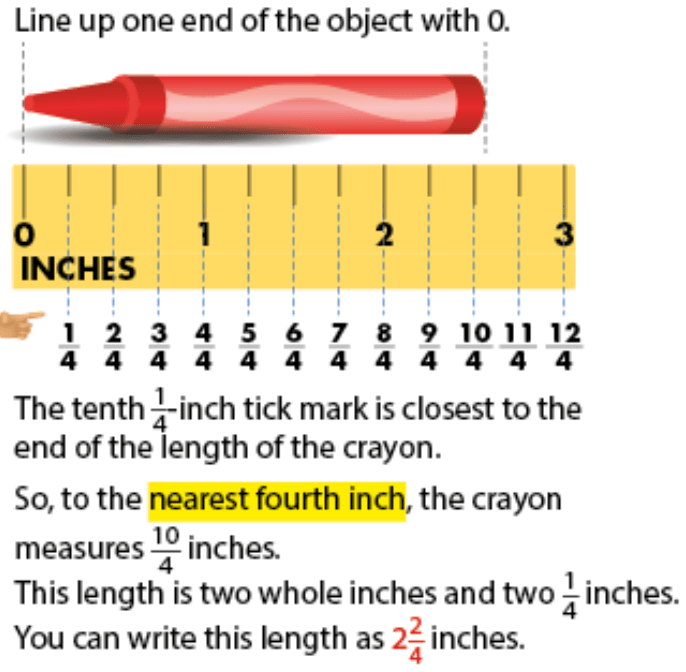
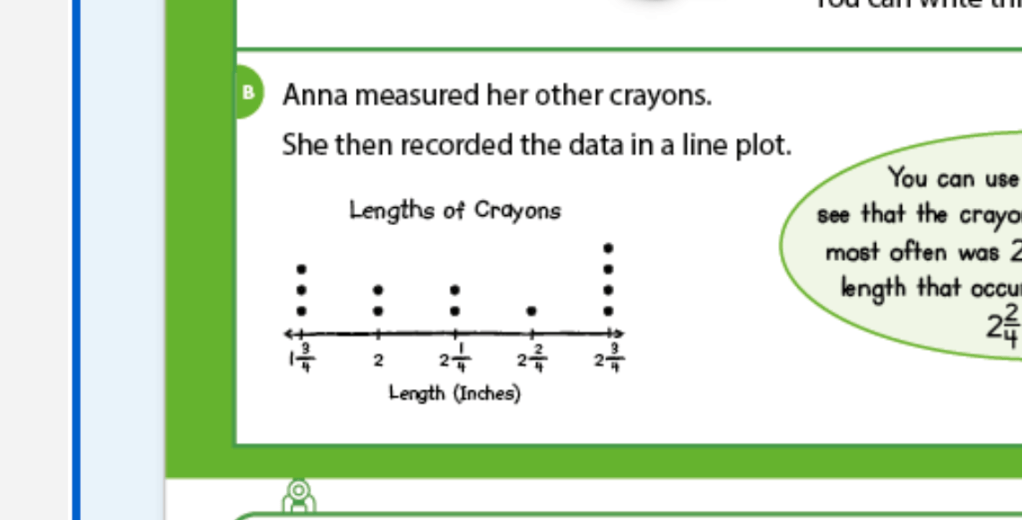
This has also pushed me to think about my Mathematical Knowledge for Teaching (MKT), especially knowledge of content and students. Hill and Ball (2009) describe MKT as the specialized knowledge teachers need to understand how students think about math and how to respond to that thinking. In measurement, I need to anticipate common student misunderstandings, such as starting at the end of the ruler instead of zero or mixing up units. Knowing the math is not enough. I also need to know where students are likely to get stuck and how to respond in the moment.
Humes (2021) also pushed my thinking around assessment. This emphasis on formative assessment as something that happens during learning, not just at the end, is invaluable. This connects strongly to measurement, where simply checking a final answer does not always reveal understanding. Students can arrive at a correct answer while still misunderstanding the process. This pushes me to think more critically about how I assess measurement and whether I am truly seeing student thinking or just the result.
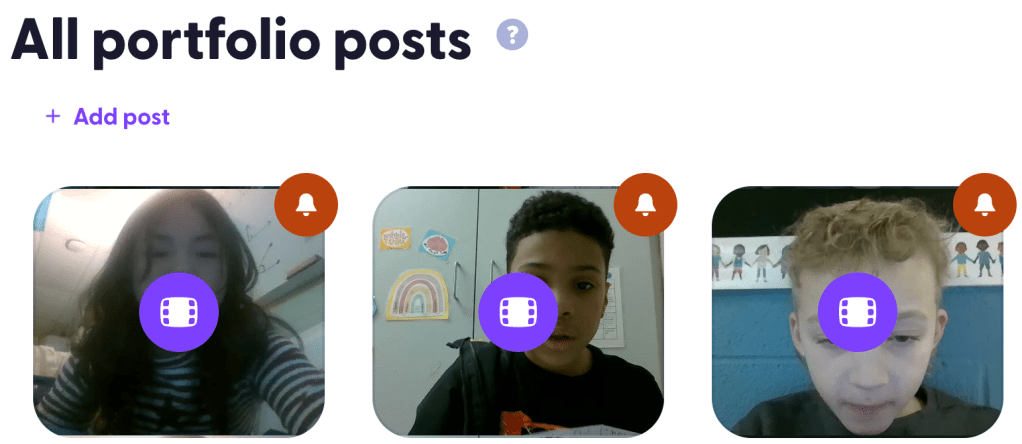
Technology added another layer to my thinking. As I explored multiple tools, I noticed that the strongest uses were not necessarily the flashiest. Instead, the most useful technologies helped students show their process. For example, ClassDojo allows students to take a photo of something they measured and record an explanation of how they measured it. That gives me more insight than a worksheet alone because I can hear their reasoning.
At the same time, I am trying to stay critically realistic. Technology can support measurement learning, but it cannot replace hands-on experiences. Students still need to hold rulers, line up objects, compare lengths, and make mistakes with physical tools. I wonder how often technology makes a lesson feel more engaging without actually deepening understanding. For me, the key question is: Does this tool help students think more clearly, or is it just making the task look more exciting?
Moving forward, I want to be more intentional about balancing hands-on measurement, student explanation, and technology. Measurement should not just be about getting the right number. It should help students understand space, size, comparison, precision, and how measurements can be used to make sense of the world around them.
References
Hill, H. C., & Ball, D. L. (2009). The curious and crucial case of mathematical knowledge for teaching. Phi Delta Kappan, 91(2), 68–71.
Humes, A. (2021). Formative assessment and technology in the mathematics classroom. [Master’s thesis, Northwestern College]. NWCommons.
 Alexis Flanders
Leave a comment