This week, I explored several AI tools through the lens of abstraction and computational thinking, and I had an absolute blast!
I started with Quick, Draw! and immediately went down a rabbit hole.
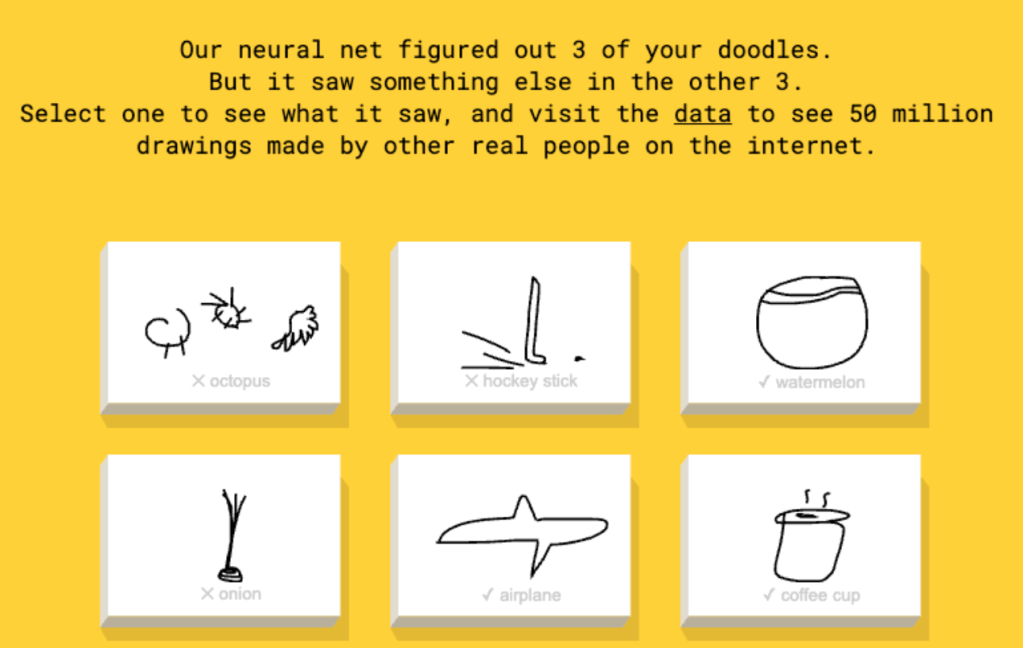
After a few normal rounds, I began testing the limits. I tried drawing the most abstract versions of objects I could, just to see if I could stump the system or “teach” it something new. It was oddly addictive.
What stood out most was how clearly AI mirrors computational thinking. The model learns by identifying patterns across large sets of data. It recognizes similarities, refines categories, and improves predictions based on examples. That process feels strikingly similar to how we teach students to generalize patterns and refine rules in math or coding. Watching it happen in real time made the connection concrete.
I also explored Learn Your Way and immediately appreciated the audio lesson feature.
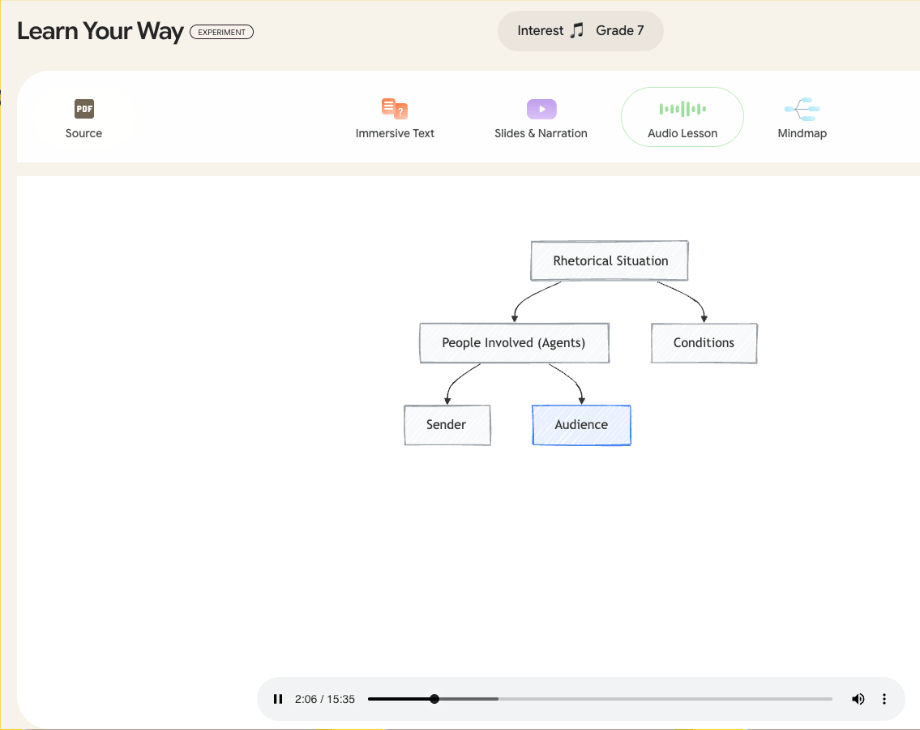
As someone who is dyslexic and does not always prefer traditional reading, being able to listen while engaging with visuals was powerful. What impressed me most was the intentional accessibility. These tools were not just flashy. They were designed with multiple entry points for learners.
Finally, I spent time with CareerDreamer and had way too much fun with it!
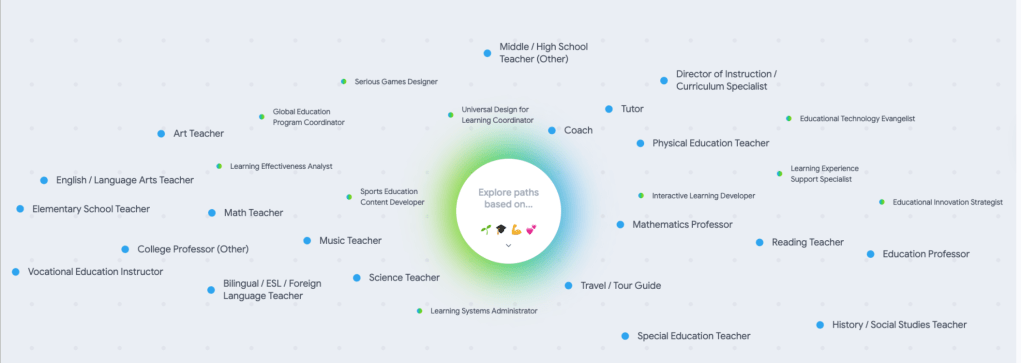
Entering my interests, skills, and background and then seeing the “Explore Paths” map felt like opening a door to possibilities. As someone who is not currently anchored to a single professional identity, it was exciting to visualize paths I had not previously considered.
What this activity reinforced for me is that abstraction is foundational to AI. The system does not “understand” drawings the way humans do. It abstracts features, compares them against patterns in its training data, and makes a prediction.
I can easily see bringing this into a classroom. Third graders could compare their Quick, Draw! sketches to the AI’s guesses and discuss which details helped the system recognize the image. That conversation naturally connects to pattern recognition and generalization in computational thinking. It also opens the door to discussing how computers learn from human-created data.
AI feels complex, but at its core, it is pattern recognition at scale. And seeing that process unfold is pretty incredible.
 Alexis Flanders
Leave a comment